How to Actually Meet Your Neighbors in 2026

There was a time, not that long ago, when your neighbor was a person you actually knew. You'd see them in the hallway. You'd nod, then a few weeks in you'd small-talk about the elevator, and by month three you might be feeding their cat while they were in Lisbon. It wasn't deep. It didn't have to be. It was just — there.
For a lot of us, that texture is gone. You can live across the wall from someone for two years and never learn their name. Nobody really chose this. It just sort of… happened.
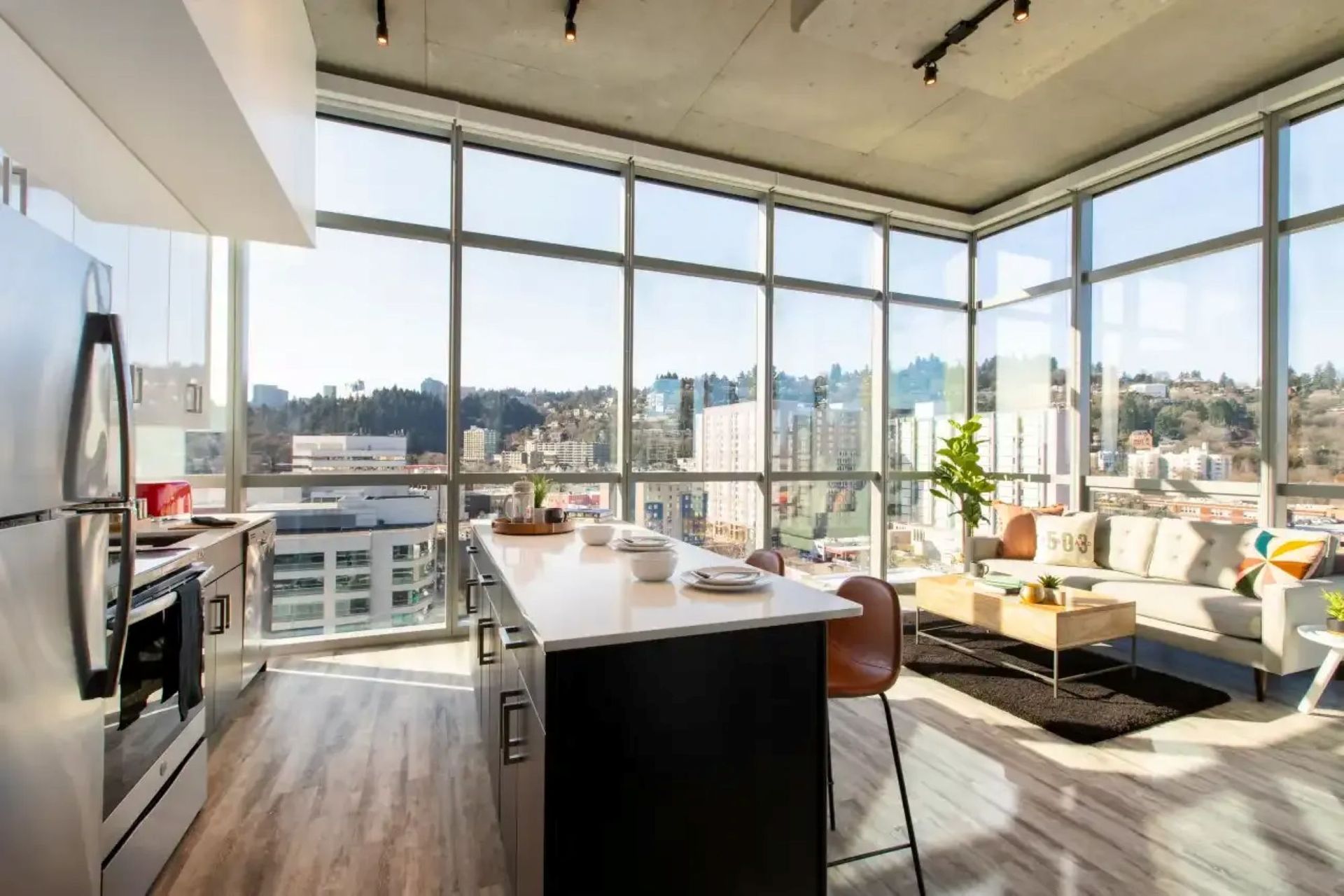
At Collective on 4th in downtown Portland, we think about this a lot — what actually makes a building feel like a community, and what residents can do to nudge it along. Here's the short version.
Why is it harder to meet your neighbors in 2026?
Three things, mostly. Remote work means the commute, the lunch run, and the after-work decompression all happen in pajamas — we're home more than ever and somehow less in our buildings than ever. Headphones do the rest: a friendly nod needs eye contact, and AirPods are a "do not disturb" sign you wear on your face. And food delivery quietly killed the last casual community event — you used to bump into the woman from 4B at the corner store; now DoorDash leaves it at the door.
None of this is anyone's fault. It's just what convenience looks like when you stack enough of it.
Five low-stakes ways to actually meet your neighbors
1. Use the "I just moved in" excuse — even if you didn't
There's a six-month grace period where you can knock on a door, introduce yourself, and not be weird about it. If you missed that window, fake it. "Hey, I'm still kind of new here — I'm in 7C — just wanted to say hi." Nobody fact-checks this. Most long-time residents have been quietly wishing someone would do exactly this.
If a doorstep feels too forward, try the mailboxes. Lower stakes, faster exit.
2. Linger, just a little, at the amenities
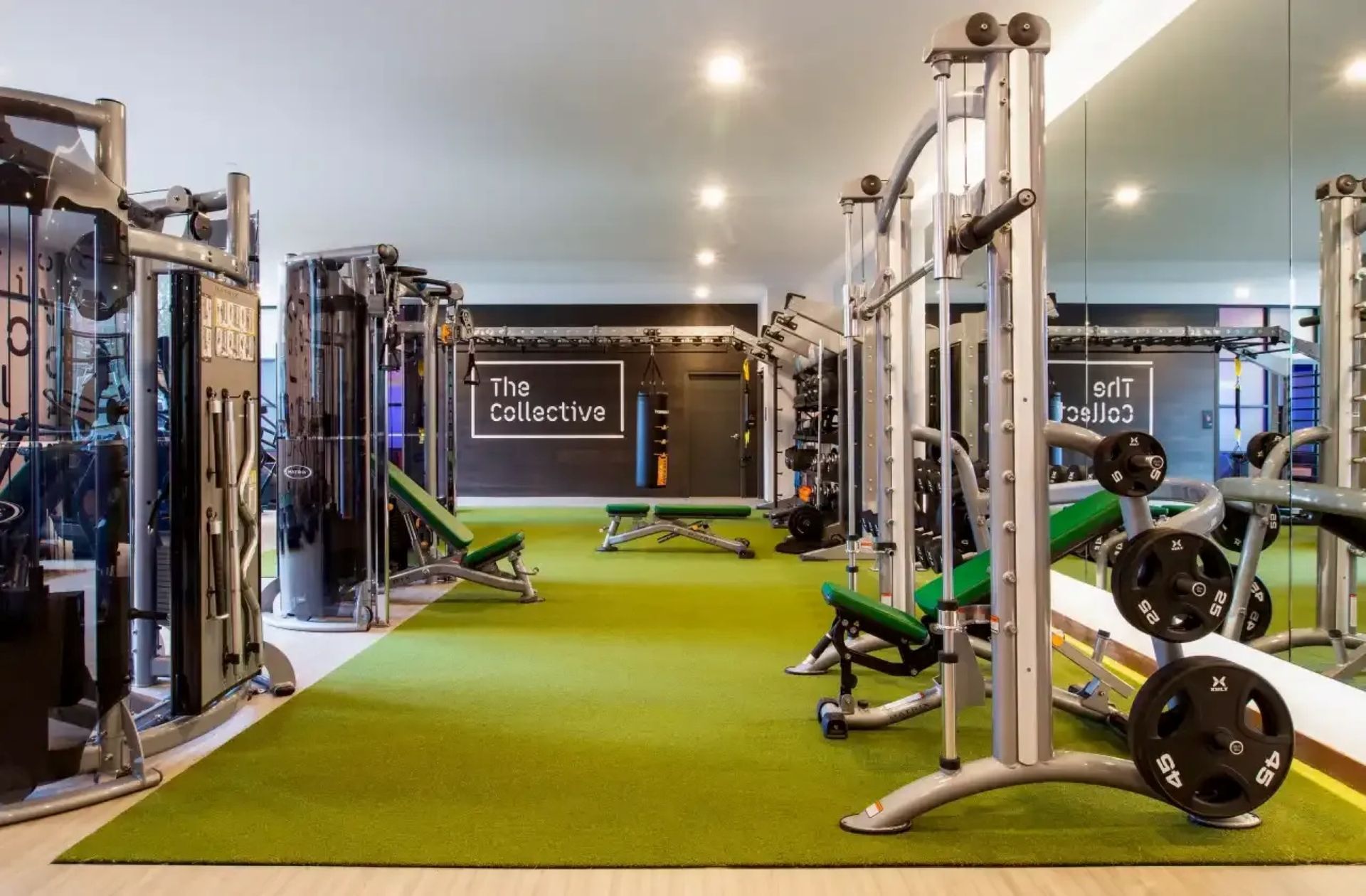
The gym, the rooftop, the lounge, the courtyard. The trick is that most people use them like vending machines — in, transaction, out. Stay ten extra minutes. Read a book on the rooftop instead of in your apartment. Take your laptop down to the lounge for an afternoon.
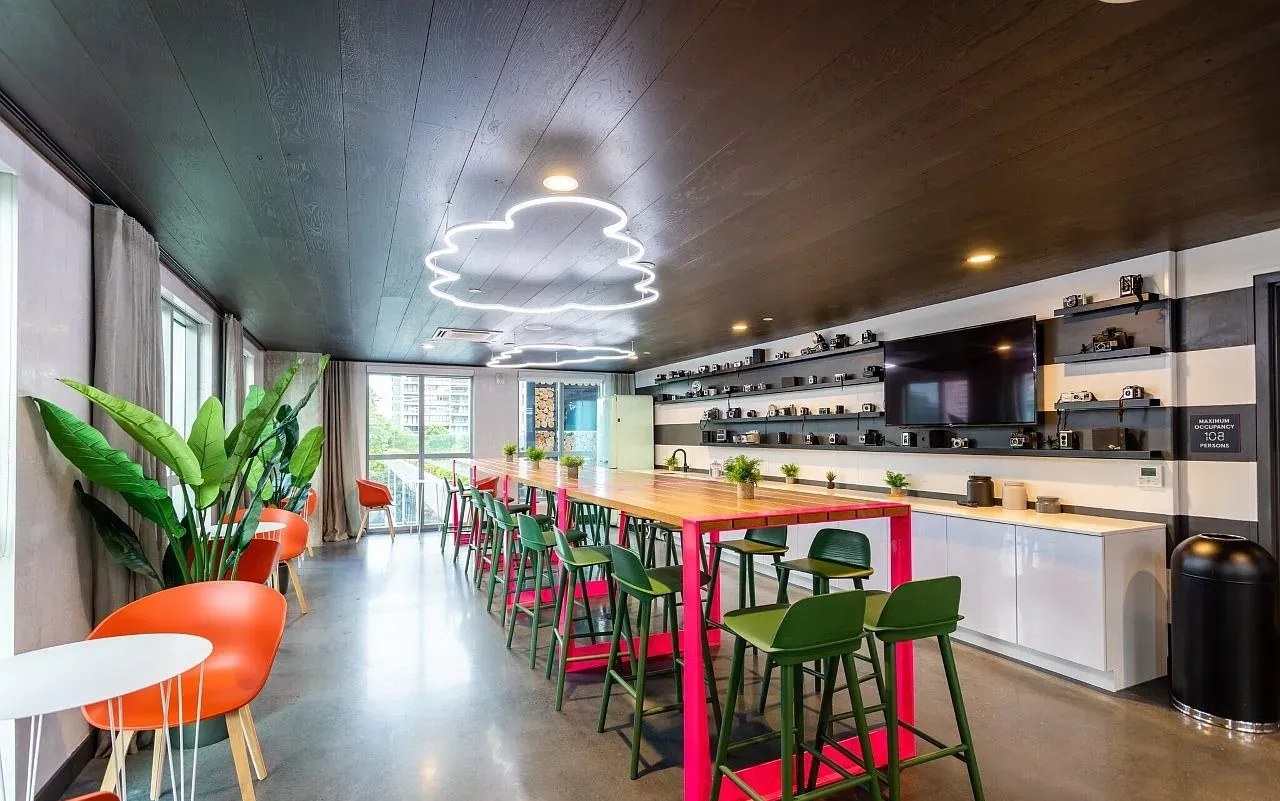
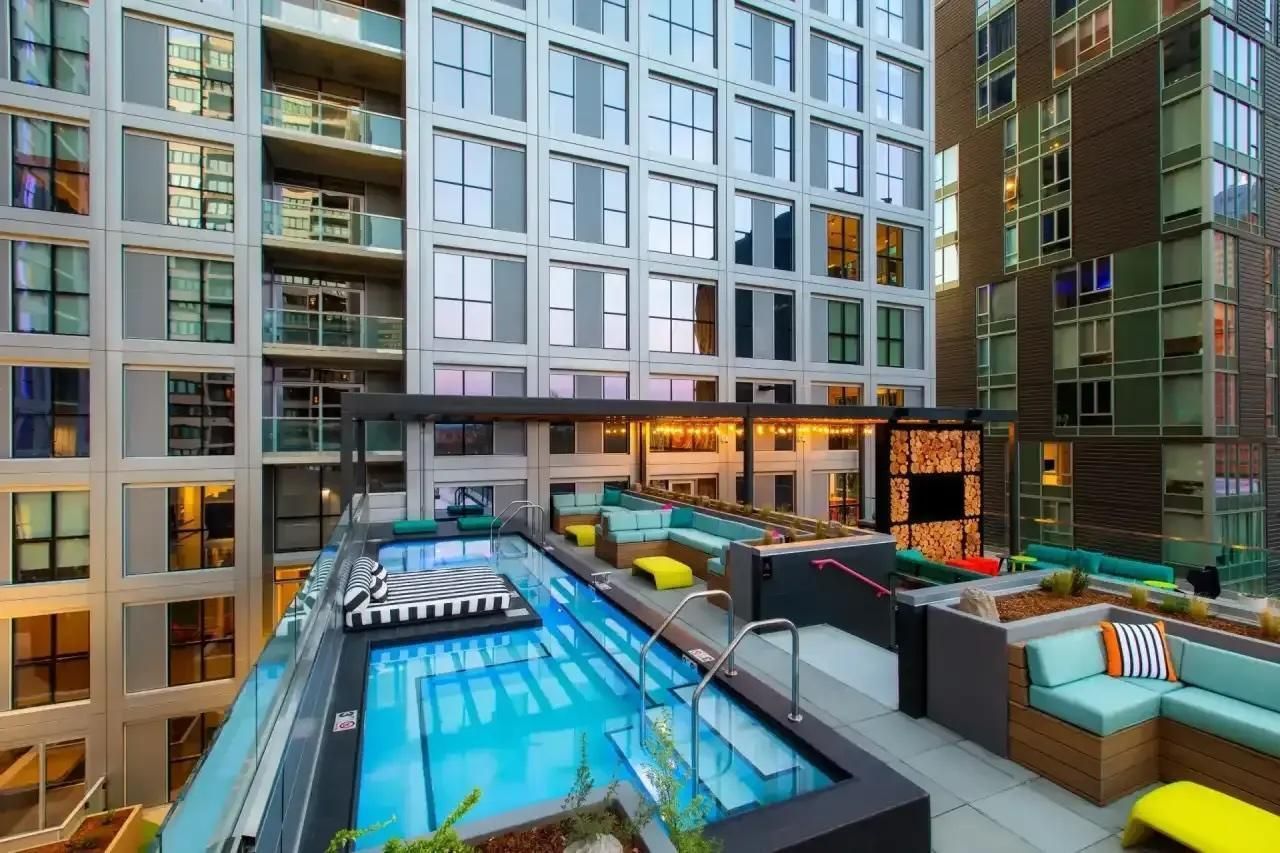
This is much easier in a building that gives you somewhere to land. At Collective on 4th, the
amenity floor — fitness center, sauna, rooftop hot tubs, resident lounges, courtyard theater — is built for exactly this. Proximity plus repetition does the work; you just have to be present often enough that "the woman who's always reading on the rooftop" becomes "Maya."
3. Get into the building chat (or start one)
If your building has a Slack, a WhatsApp group, or a community board inside the resident app — get in there. Post a low-stakes thing. "Anyone know a good ramen spot nearby?" "Extra ticket for Saturday, first come first served." Those messages do more for building community than any management-sponsored happy hour.
If no group exists, start one. Tape a QR code in the elevator. The first ten people are the hardest; after that it runs itself.
4. Lean on the natural meeting points
Three places force neighbors into mild proximity: the dog area, the package room, and the laundry. These are the closest things modern apartments have to a town square. Walk your dog at the same time most days. Linger at the package shelves long enough to say "they keep losing mine too." Bring your laundry down and don't immediately put in earbuds.
It's just being mildly available.
5. Throw something small
Not a party. A puzzle night. Coffee and pastries on a Saturday morning in the lounge. A "bring a snack from where you grew up" potluck. Six people is plenty. Three is fine.
People are starving for the kind of invite that doesn't require denim. A bookable club room or courtyard makes it easier — Collective residents have both.

The introvert's bare minimum
If five tactics feels like a lot, here's the floor. Learn the name of one neighbor. Just one. Use it when you see them. "Hey, Daniel." That's the whole minimum — and you've now done more for your weekly weak-tie count than most people in your building. Nothing about this requires becoming a different person.
When a neighbor becomes a friend
Sometimes a hallway nod turns into a coffee, which turns into dinner, which turns into someone holding a spare key for plant-watering. One of the small great joys of city living.
A note, though: proximity friendships need a little more care, because you can't escape proximity. Don't say yes to plans you'll resent later just because they live ten feet away. Don't drop in unannounced more than a couple of times before checking the temperature. It's also fine for a neighbor to stay a neighbor — not every acquaintance wants to become a friend, and that's a feature, not a bug.
What can apartment buildings do to build community?
Some of this falls on the building, not the residents. The ones where neighbors actually know each other share a few traits: shared spaces residents are allowed to use (not a lobby you pass through), a sanctioned channel for residents to talk to each other, small recurring rituals like coffee Fridays, and staff who learn names.
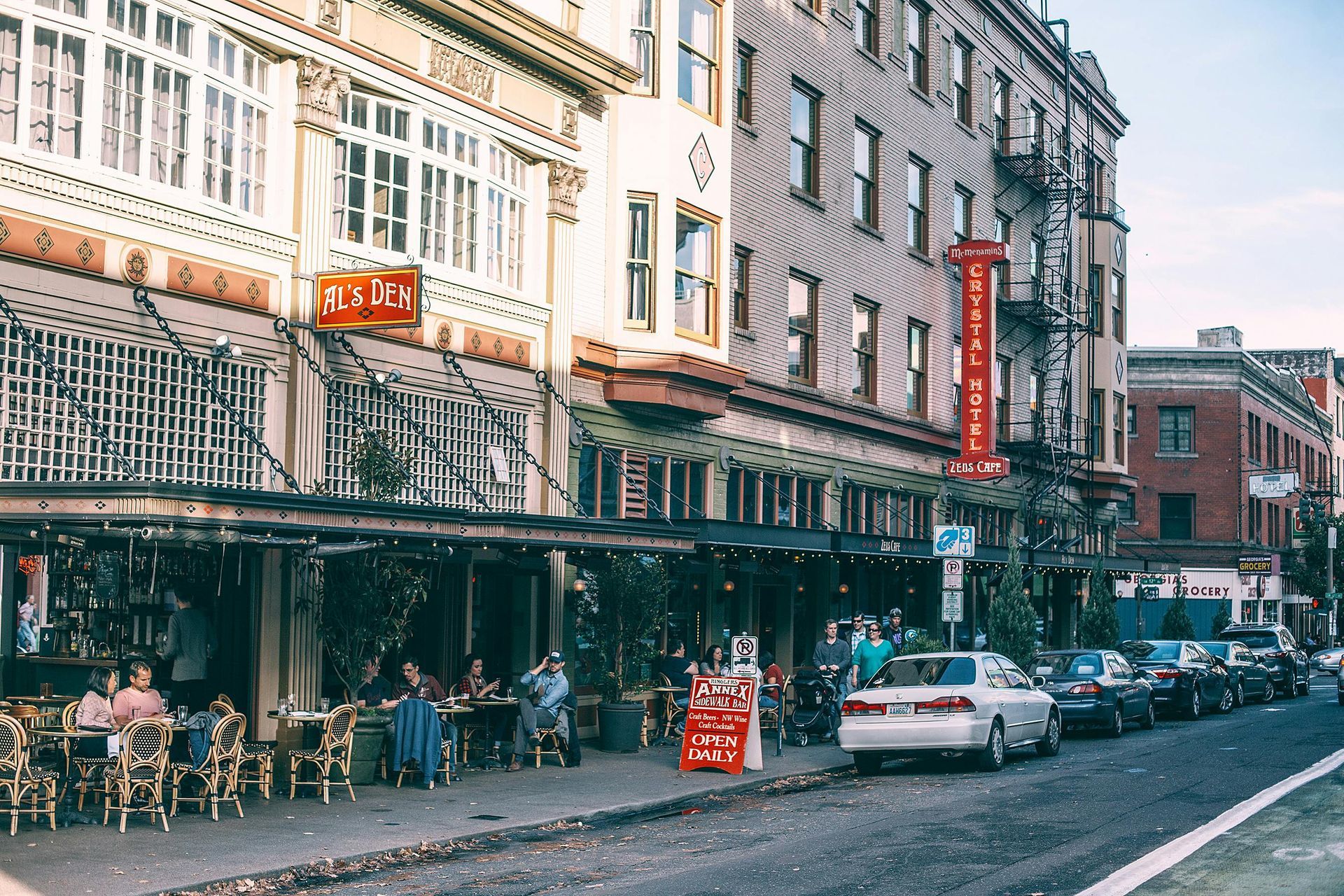
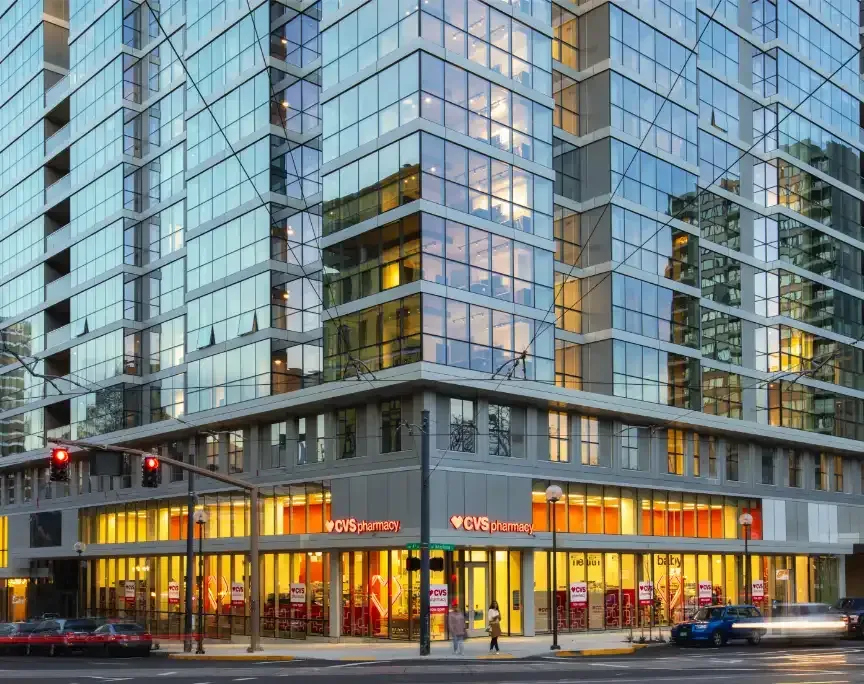
Location helps, too. Collective on 4th sits in
downtown Portland with a Walk Score of 87 — the kind of context that makes "want to grab coffee?" a real plan, not a logistics problem. If you're in a building that does this well, you already know. If you're in one that doesn't, ask. Management responds to resident demand far more than residents tend to assume.
Frequently asked questions
How do I introduce myself to a neighbor I've never met?
The easiest move is the "I just moved in" excuse — even if you didn't. Knock on the door, mention your unit number, and keep it short: "Hey, I'm in 7C, just wanted to say hi." If a doorstep feels too forward, do it at the mailboxes or in the elevator. Most people have been quietly hoping someone would do exactly this.
What's the easiest way to meet neighbors if I'm an introvert?
Learn the name of one neighbor. Just one. Use it when you see them — "Hey, Daniel." That's the whole minimum. Meeting neighbors doesn't require becoming a different person; weak social ties form through repeated low-stakes contact, not big social moves.
What can apartment buildings do to help residents meet each other?
The buildings where neighbors actually know each other share a few things: shared spaces residents are encouraged to use, a resident chat or community board, small recurring rituals like coffee Fridays, and staff who learn names. Location matters too — walkable neighborhoods produce more casual run-ins. At Collective on 4th, the amenity floor — fitness center, rooftop lounges, hot tubs, courtyard theater — is built around exactly this.
Where is Collective on 4th located?
Collective on 4th is at 1818 SW 4th Ave in downtown Portland, OR — a Walk Score 87 neighborhood with studio, one-, two-, and three-bedroom apartments. See the location page or schedule a tour.
One last thing
The future of apartment living belongs to buildings that take this seriously — that design for the hallway hello, the rooftop linger, the chance encounter at the mail. The kind of place where, by month three, your neighbor is a person you actually know.
If that sounds like your kind of place, take a look at the
floor plans or
schedule a tour at Collective on 4th.
The hallway nod is making a comeback. You just have to live somewhere that's rooting for it.